
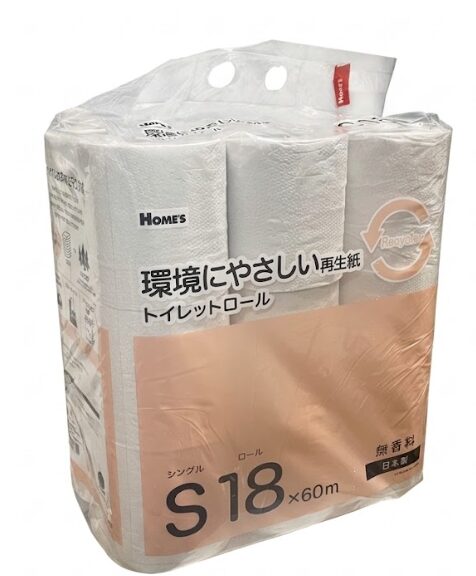
× This toilet paper is made of recycled paper.
This toilet paper is made from recycled paper.
・”Toilet paper” is the standard expression.
・Why “made from”? → The original paper has been processed into a new product.
・made from = The original material changes into a new product.(元の素材が変化)
・made with = The ingredient is used to make something.(材料・食材を使って作る)
・made of = The original material keeps its form and is still recognizable.
(元の素材がわかる)
・made out of =意外な材料・再利用した材料で作る
・made of up = 多くの部品から成り立っている
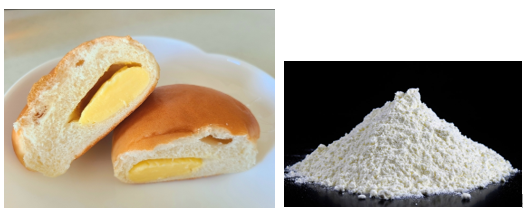
× This bread is made with flour and [noun] cream.
This bread is made with flour and custard cream.
・生クリーム系なら、whipped cream
<何故bean pasteというのに、custard pasteと言わないのか?>
「Paste」は「固体をすり潰したもの」に使う
豆・野菜・種子などの固体の原材料を、細かく潰して練り上げたドロッとした状態を指す。
・Bean paste:豆(固体)を潰して練ったもの
・Tomato paste:トマト(固体)を煮詰めて潰したもの
・Garlic paste:ニンニク(固体)をすり潰したもの
一方、「Custard」は最初から液体を加熱してトロみをつけたものなので、pasteはつかない
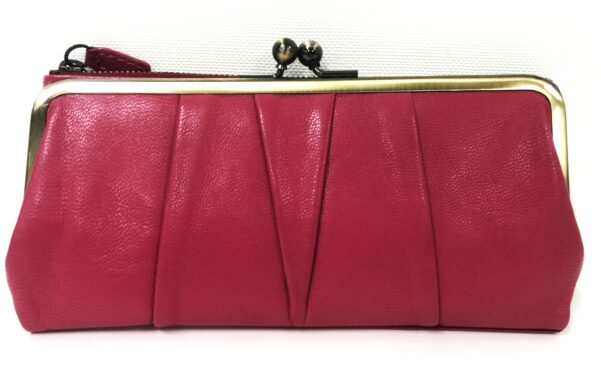
× This wallet is made of leather, but not [object].
This wallet is made of genuine leather, not synthetic leather.
・合皮=synthetic leather
・本革と合皮を対比したいときは、genuine leather、又は real leather というのが自然
・何故”but not”と言わないのか?
「, not ~」は、「AではなくB」という単純な訂正・対比を表すときによく使われる。一方、「but not ~」は、予想と違う事や、逆説のニュアンスを込めたい時に使用。
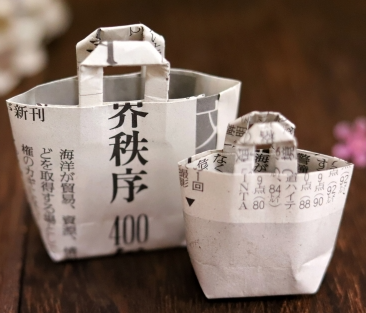
These bags are made out of newspaper.
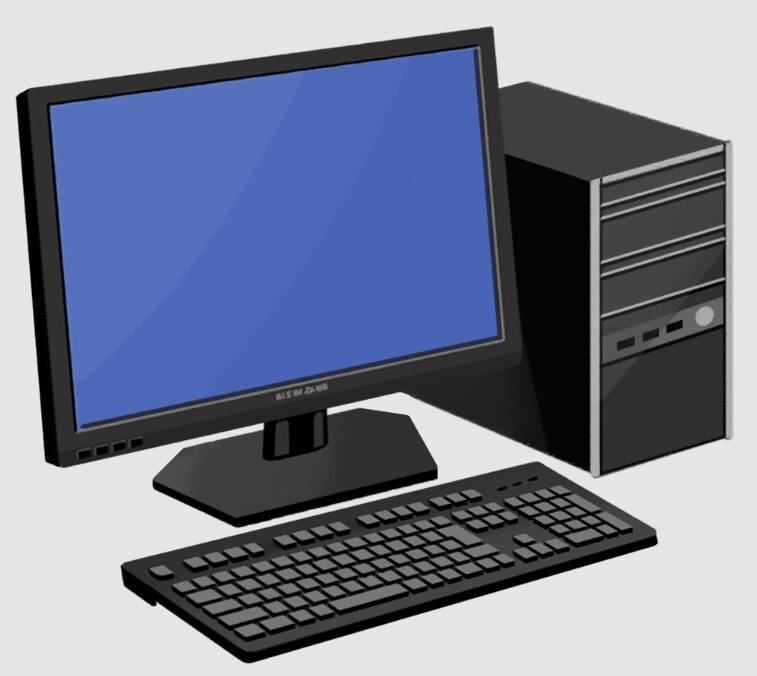
① A desktop computer is made up of many different parts.(多くの部品で構成)
② A desktop computer is made up of thousands of parts.(多くの部品で構成)
③ A desktop computer is consists of thousands of parts. (~で構成される・少しフォーマルな表現で、説明文や技術文書などでよく使用される)
④ This desktop computer is made of plastic, aluminum, and glass.(素材に注目)
⑤ This desktop computer is made with advanced semiconductors, high-performance processors, and memory chips.(部品や技術に注目)
Why “made up of”?
up は「上」という意味だけではない。
『最後まで』『いっぱいまで』『一つの全体になるまで』という、何かが到達した状態を表すことが多い単語。
例えば、
eat up = 完食する (She ate up all her lunch.)
fill up = いっぱいにする (Please fill up the tank. タンクを満タンに)
make up = バラバラのものが集まって、一つになる(構成する)
(make up a story = 話を作り上げる ※tell a story = 話をする)

コメント